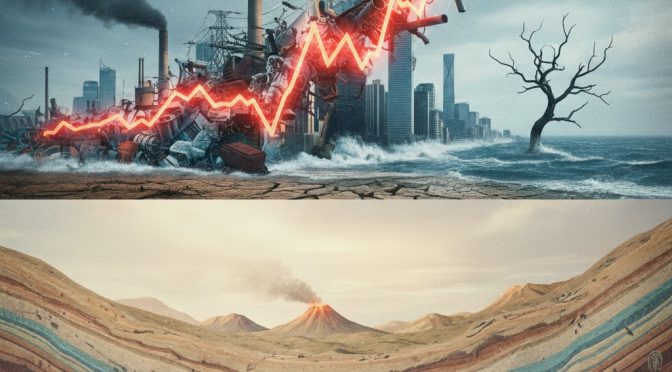
It’s a common refrain in coffee shops and online forums: “The climate has always changed. Why are we panicking now?”. History backs this up. Thousands of years ago, the Sahara was green. Millions of years ago, crocodiles swam in the Arctic. Earth is a dynamic system that has cycled through deep freezes and scorching hothouses long before humans ever struck a match.
As we approach 2026, artificial intelligence isn’t just enhancing the internet—it’s poised to redefine it entirely. Already, AI tools are churning out text, images, videos, and even social media interactions at an unprecedented scale. According to Gartner research, by 2025, AI will generate 30% of all content consumed globally, up from less than 5% in 2022. This surge raises profound questions: What happens when the majority of online content is machine-made? Will users be able to distinguish fact from fabrication? And could this signal the demise of the internet as our trusted repository of knowledge?
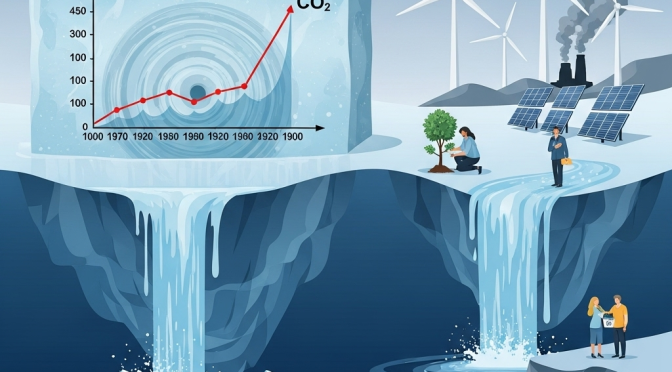
The conversation around global warming often swings between alarm and skepticism. On one hand, we hear dire warnings of impending climate catastrophe; on the other, some argue that Earth has always changed, and humanity will simply adapt. Let’s cut through the noise and summarize what the science, particularly from incredible sources like polar ice, tells us, and what our path forward looks like.