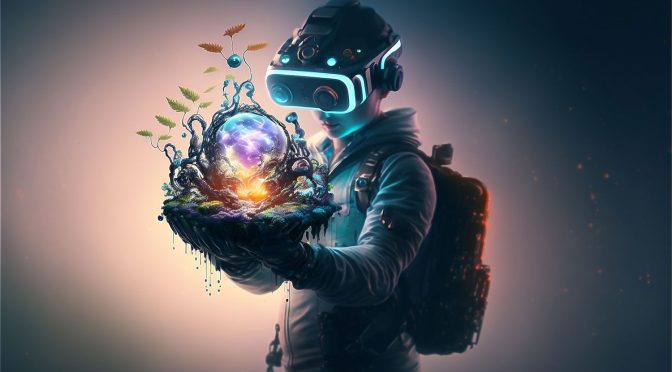
By 2030, smartphones as we know them today might feel as archaic as flip phones do now. Drawing from emerging trends, expert predictions, and a dash of logical extrapolation, let’s explore how smartphones will evolve, how we’ll interact with the internet and each other, and how this all ties into our smart homes and personal gadgets. I’ll also share some practical thoughts on adapting to this hyper-connected lifestyle without losing your sanity.
The Smartphone Revolution: From Pocket Bricks to Invisible Companions
Remember when smartphones were just souped-up calling devices with apps? By 2030, they might not even be “phones” anymore. Visionaries like Bill Gates predict that electronic tattoos—flexible, skin-adhered devices—could replace traditional smartphones, embedding computing power directly onto our bodies. Meanwhile, Meta’s AI chief Yann LeCun foresees augmented reality (AR) glasses taking over, making handheld screens obsolete. These aren’t wild guesses; they’re based on current prototypes from companies like Neuralink and Apple, pushing toward seamless integration.
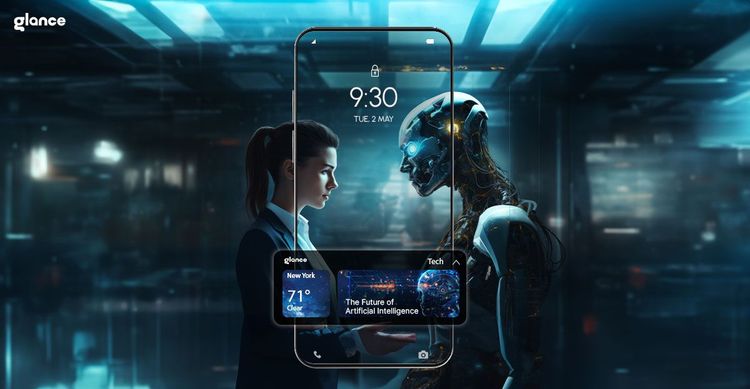
Imagine a device that’s ultralight, stretchable, or even transparent, adapting to your needs. AI will be the star here, creating “digital twins”—virtual replicas of you that anticipate your routines, preferences, and even health needs. No more ports or bulky batteries; wireless charging and 6G networks will make everything instantaneous. Foldables will evolve into multi-form gadgets that unfold into tablets or wrap around your wrist.
Interacting with the Internet: The Dawn of the “Internet of Senses”
Gone will be the days of typing queries into a search bar. By 2030, the internet will feel like an extension of our senses, thanks to the “Internet of Senses”—a concept where technology enables digital touch, smell, and even thought communication. AI gatekeepers will curate your online experience, filtering out noise and delivering personalized content before you even ask. Ninety percent of online material could be AI-generated, blending reality with hyper-real simulations.
With 90% global 5G coverage evolving into ubiquitous 6G, interactions will be immersive via AR/VR. You’ll “enter” websites as virtual spaces, shopping in digital malls or attending concerts from your couch. AI will handle mundane tasks, like booking travel based on your mood, while brain-computer interfaces (think Neuralink) let you browse with thoughts alone.
Connecting with Each Other: AI-Mediated Social Worlds
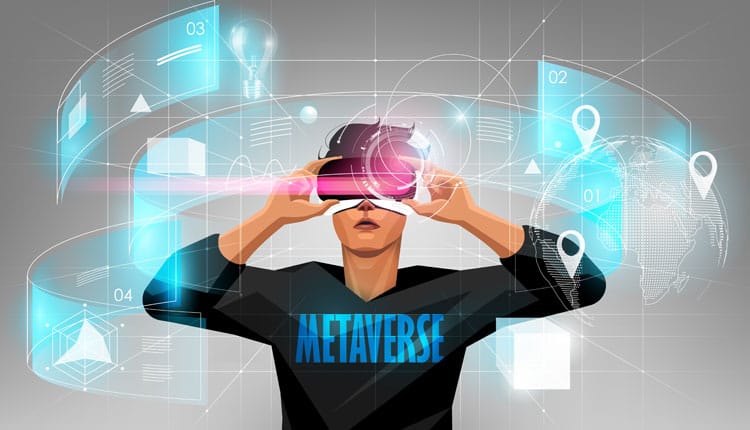
Social interactions will blur the lines between physical and digital. Virtual reality meetings will make remote work feel like being in the same room, complete with haptic feedback for “handshakes.” Social media will evolve into metaverses powered by AI and VR, where your digital twin handles small talk or even dates on your behalf. By 2030, we might communicate thoughts directly, bypassing words altogether.
This could strengthen global connections but also raise concerns about authenticity. Will we prefer AI-curated friendships? On the flip side, it democratizes access—introverts could thrive in customizable social spaces.
Seamless Integration with Smart Homes and Gadgets
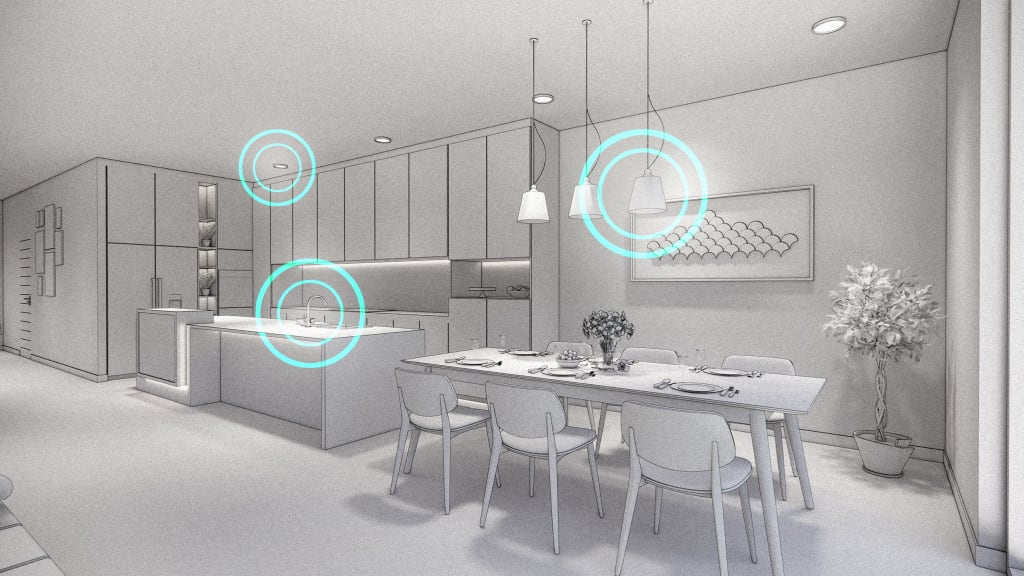
Your future “smartphone” (or its successor) will be the brain of an ecosystem. Smart homes by 2030 will be predictive ecosystems: lights adjust to your circadian rhythm, fridges order groceries based on your diet, and security systems use AI to detect anomalies before they happen. Personal gadgets like wearables will monitor health in real-time, syncing with home devices to, say, preheat your bath if you’re stressed.
The IoT market is exploding, projected to hit $338 billion by 2030, with homes becoming energy-efficient, health-boosting havens. Imagine your AR glasses controlling everything—from dimming lights to starting your coffee maker—with a glance.
Adapting to the Lifestyle: Thriving in a Connected World
This future sounds exhilarating, but adaptation is key. Start by embracing AI literacy—learn to customize your digital twin without handing over too much privacy. Integrate it daily: use voice assistants for routines now, like setting smart home schedules via apps.
Balance is crucial. Schedule “unplugged” time to combat digital fatigue; studies show over-reliance on tech can lead to isolation. For families, turn it into a positive: use AR for educational games or virtual family dinners across continents.
Professionally, upskill in AI ethics or VR design. Personally, view gadgets as tools, not crutches—let them enhance life, not define it. By 2030, those who adapt will find a world of convenience; those who don’t might feel left behind.
In conclusion, the future of smartphones and connectivity is one of immersion, intelligence, and integration. It’s not about the device—it’s about how it fades into the background, empowering us. Excited?
This vision of 2030 feels like a sci-fi novel coming to life, but as we look at the landscape in early 2026, many of these “future” technologies are already moving from the lab to the living room. The shift from a device you hold to a system you wear or inhabit is the defining trend of this decade. It is he death of the “Pocket Brick”.
By 2030, smartphones could evolve beyond physical handsets, integrating AI, VR, and holographic displays for a fully immersive experience. The future may bring wearable or neural interfaces, redefining how we interact with technology.
Let me have one… or maybe more of these decices 🤣