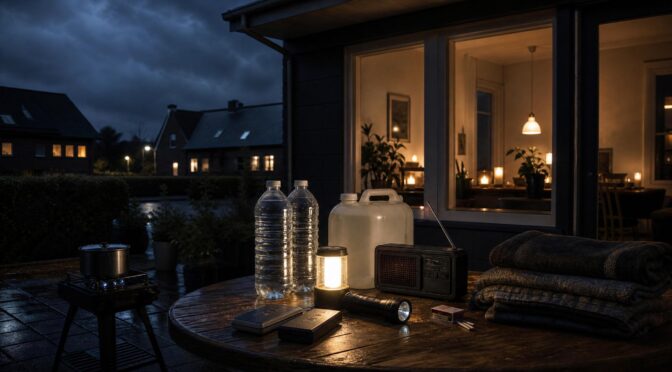
A major power outage does not have to be an apocalypse to become a real problem. If the grid is down for a few hours, it is inconvenient. If it lasts for days, heating, cooking, communication, payment systems, refrigeration, medical devices and even water supply can suddenly become very practical problems. The good news is that you do not need a roof full of solar panels or an expensive battery wall to be much better prepared.
This guide is about realistic, budget-friendly preparedness: the kind you can build one shopping trip at a time, without turning your home into a bunker or your bank account into a smoking crater.
Start with the boring basics
The first rule of power outage preparedness is simple: do not start with gadgets. Start with the things electricity normally hides from you.
- Light: You need safe light after dark.
- Water: You need drinking water, cooking water and basic hygiene water.
- Food: You need food that does not depend on a freezer, oven or microwave.
- Heat: In winter, keeping one room warm matters more than keeping the whole house comfortable.
- Information: Mobile networks and internet may be unstable. You need another way to receive updates.
- Power for small devices: Phones, radios, flashlights and medical equipment need a plan.
- Safety: Alternative heating and cooking can kill people if used indoors incorrectly.
That list is not glamorous, but it is where real resilience starts.
The first hour: avoid making the situation worse
When the power goes out, do not immediately start burning through all your battery power and opening every cold appliance in the house.
- Check if it is local. Look outside, check your fuse board, and see whether neighbors have power.
- Keep fridge and freezer doors closed. A closed fridge can keep food cold for several hours; a full freezer can often stay safe much longer if left closed.
- Switch off sensitive equipment. Computers, TVs and networking gear can be unplugged to avoid problems when power returns.
- Use phones carefully. Turn on battery saver, lower brightness and avoid endless scrolling. The outage will not become shorter because you refreshed social media 90 times.
- Find your light sources before it gets dark. Flashlights and LED lanterns beat candles in most situations.
Light: cheap, safe and boring wins
Candles are romantic until someone knocks one over in a dark hallway. Keep a few if you like, but make battery-powered light your default.
- LED flashlights: Cheap, reliable and easy to store.
- LED lanterns: Better for lighting a room or table.
- Headlamps: Extremely useful because they leave both hands free.
- Rechargeable batteries: Good if you can keep them charged, but also keep ordinary alkaline batteries as backup.
- Solar garden lights: Surprisingly useful in a pinch. Charge them outside during the day, bring them inside at night.
Budget tip: buy the same battery type for several devices if possible. A drawer full of random battery formats is less helpful than ten AA batteries that fit everything important.
Water: store more than you think
In many places, tap water may continue during a power outage. But pumps, pressure systems and treatment infrastructure can be affected during major incidents. Store drinking water before you need it.
- Minimum target: Enough water for each person for at least three days.
- Practical budget method: Reuse clean food-grade bottles, or buy simple water containers when they are on sale.
- Do not forget pets. They also need water.
- Keep hygiene water separate. A few larger containers can be used for washing hands, flushing toilets or cleaning.
If you get warning before an outage, fill bottles, pots and a bathtub if you have one. That water may not all be drinking water, but it can still be useful.
Food: eat the fragile food first
You do not need expensive emergency meals. A simple pantry can carry you through several days.
- First: Use food from the fridge that will spoil soon.
- Then: Use freezer food if it has started thawing and can be cooked safely.
- Finally: Use shelf-stable food: canned beans, fish, soups, pasta, rice, crispbread, oats, peanut butter, nuts, dried fruit and long-life milk.
Keep a manual can opener. It is the cheapest piece of preparedness equipment that people still manage to forget.
Cooking without grid power
A small camping stove can make a huge difference, especially for hot drinks, soup, rice or simple one-pot meals. But this is also where safety matters.
- Use fuel-burning stoves outside or in very well-ventilated places according to the manufacturer instructions.
- Never run charcoal grills, gas grills or generators indoors. Carbon monoxide is invisible, odorless and deadly.
- Keep fuel safely stored. Do not improvise with unknown fuels.
- Have a lighter and matches. Store them dry.
- Cook simple meals. The outage is not the time to discover your inner gourmet chef.
If you live in an apartment, check what is allowed and safe where you live. Sometimes the best plan is food that does not need cooking at all.
Heat: warm people, not the whole building
If the outage happens in cold weather, focus on keeping people warm rather than trying to heat the entire home.
- Choose one room. Close doors and reduce drafts.
- Layer clothing. Wool, fleece and thermal underwear are boring but effective.
- Use sleeping bags and blankets. Camping gear is preparedness gear.
- Move carefully. Light activity helps, sweating does not.
- Protect vulnerable people first. Children, elderly people and anyone with medical needs may need help earlier.
Be very careful with indoor heaters. Anything that burns fuel can produce carbon monoxide. If you use any approved indoor combustion heater, use it exactly as designed and keep a working carbon monoxide alarm nearby.
Small power beats big dreams
A large solar installation with a battery bank is wonderful if you can afford it. Many people cannot. That does not mean you are helpless.
- Power banks: A few USB power banks can keep phones, radios and small lights running for days if used carefully.
- 12V car charger: Useful if you have a car. Do not drain the car battery, and never run a vehicle in a garage or enclosed space.
- Rechargeable battery station: If budget allows, a small portable power station can run phones, lights, a router for a while, or a small medical device. Start small; do not buy one before understanding your actual loads.
- Foldable USB solar panel: Not magic, especially in winter, but it can top up power banks during longer outages.
- Battery radio: Important when internet and mobile networks are unreliable.
The realistic goal is not to run your normal life. It is to keep communication, light and essential devices alive.
Communication and information
During a major outage, information becomes a survival item. Mobile networks can become overloaded or lose backup power.
- Keep a battery or hand-crank radio. Know which stations carry official emergency information in your area.
- Write down important numbers. Do not rely only on your phone contacts.
- Agree on a family plan. Where do you meet? Who checks on whom?
- Use SMS when networks are weak. Text messages often work when voice and data struggle.
- Download maps and important documents. Offline copies are useful when the internet is gone.
Sanitation: the part nobody wants to discuss
If water or sewage systems are affected, hygiene quickly becomes important.
- Store wet wipes, hand sanitizer and trash bags.
- Keep a bucket and heavy-duty bags available. Not pleasant, but useful if toilets cannot be flushed.
- Have basic cleaning supplies. Gloves, disinfectant and paper towels help prevent small problems becoming health problems.
- Manage waste early. Do not wait until everything smells like regret.
A budget shopping list
If money is tight, build your kit slowly. One or two items per week is still progress.
- LED flashlight or headlamp
- LED lantern
- Spare batteries in matching sizes
- USB power bank
- Battery radio
- Manual can opener
- Water containers
- Canned and dry food your household actually eats
- Basic first aid supplies
- Wet wipes, trash bags and hand sanitizer
- Blankets or sleeping bags
- Camping stove and safe fuel, if suitable for your home situation
- Carbon monoxide alarm
The best emergency kit is not the most expensive one. It is the one you know how to use, can find in the dark, and have actually maintained.
For longer outages: think in systems
If an outage lasts beyond a few days, the challenge changes. You are no longer just waiting for the lights to come back. You are managing a small household system.
- Daily power budget: Decide what gets charged and when.
- Food rotation: Use perishable food first, then shelf-stable supplies.
- Neighborhood cooperation: Share information, check on vulnerable neighbors and avoid everyone solving the same problem alone.
- Security: Keep doors and windows secured. Darkness and stress can make normal routines sloppy.
- Health: Keep medication, glasses, hearing aid batteries and medical equipment in the plan.
- Cash: Card terminals and ATMs may not work. Keep a modest amount of cash if possible.
What not to do
- Do not run generators, grills or charcoal burners indoors.
- Do not use your oven or gas stove as a room heater.
- Do not leave candles unattended.
- Do not open the freezer every ten minutes to “check”.
- Do not spend all your phone battery watching outage videos.
- Do not assume authorities, shops or neighbors can solve everything immediately.
Preparedness is not panic
Preparing for a long power outage is not about fear. It is about reducing the number of things you have to solve while tired, cold, hungry and standing in the dark.
Start small. Buy a flashlight. Fill a few water containers. Add food you already eat. Charge your power banks. Talk to your family. Check on a neighbor. None of this requires a giant solar installation.
The grid is one of the invisible miracles of modern life. When it disappears, even briefly, the ordinary becomes complicated. A little preparation makes that complication manageable.